In the security system integration and large-scale project planning, if the monitoring distance crosses the order of 1km to 5km or even more, the ordinary infrared (IR) PTZ camera is basically ineffective. Traditional infrared light will produce serious light attenuation over a long distance, and the picture is so dark that it cannot be seen at all. Laser PTZ Camera is almost the only professional solution.
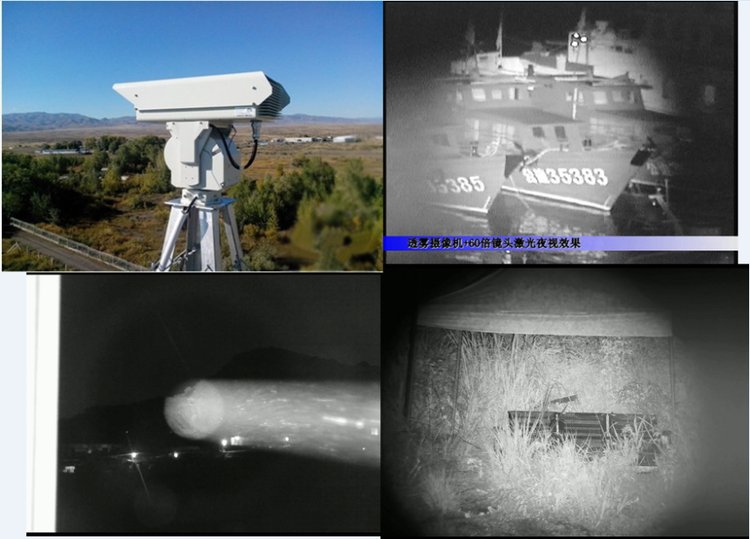
The core logic of this device is to combine a high-performance laser illuminator with the “synchronous zoom” technology. The angle of the laser beam is automatically adjusted with the optical zoom of the lens (such as 33 times, 52 times or even 90 times). This solves the “flashlight effect” that is most troublesome for engineers—the problem of overexposure in the center of the picture and darkness around it. In extreme environments where there is no light, this technology can ensure uniform light distribution and output high-contrast clear night vision images.
Why Super Long Distance Must Be On The Laser?
When dealing with residential areas or ordinary commercial projects, ordinary infrared cameras are indeed sufficient. But once the monitoring distance exceeds 500 meters, such devices will encounter physical bottlenecks. The infrared light scattering emitted by the traditional LEDs is serious, and when it is transmitted to the distance and reflected back, the energy has been lost, resulting in the image full of noise and graininess.
I have come into contact with many BIT-CCTV laser pan-tilt cases, which use high-intensity laser illuminators. This technology is to concentrate the energy in a very narrow beam, so that it has a strong penetrating power, directly hit the target 1km, 3km or even 5km away. There is no alternative to this “early detection, early warning” capability for critical infrastructure projects such as border surveillance, port defense or forest fire prevention.
Practical Significance Of “Synchronous Zoom” Technology
In remote monitoring, the most common technical difficulty is the uneven brightness of the picture. If you have used inferior products, you must have seen the embarrassing picture with bright middle and dark edges.
The high-performance laser pan-tilt camera solves this problem through synchronous zoom technology. When the operator adjusts the optical lens 33 times, 52 times or 90 times, the divergence angle of the laser illuminator will follow in real time. This synchronization means:
Uniform illumination: The beam always matches the field of view perfectly.
High contrast: Excellent target recognition even at maximum magnification.
Precise and efficient: No light energy is wasted outside the field of view, maximizing the effective distance of the sensor.
Heavy-Duty And All-Weather Performance
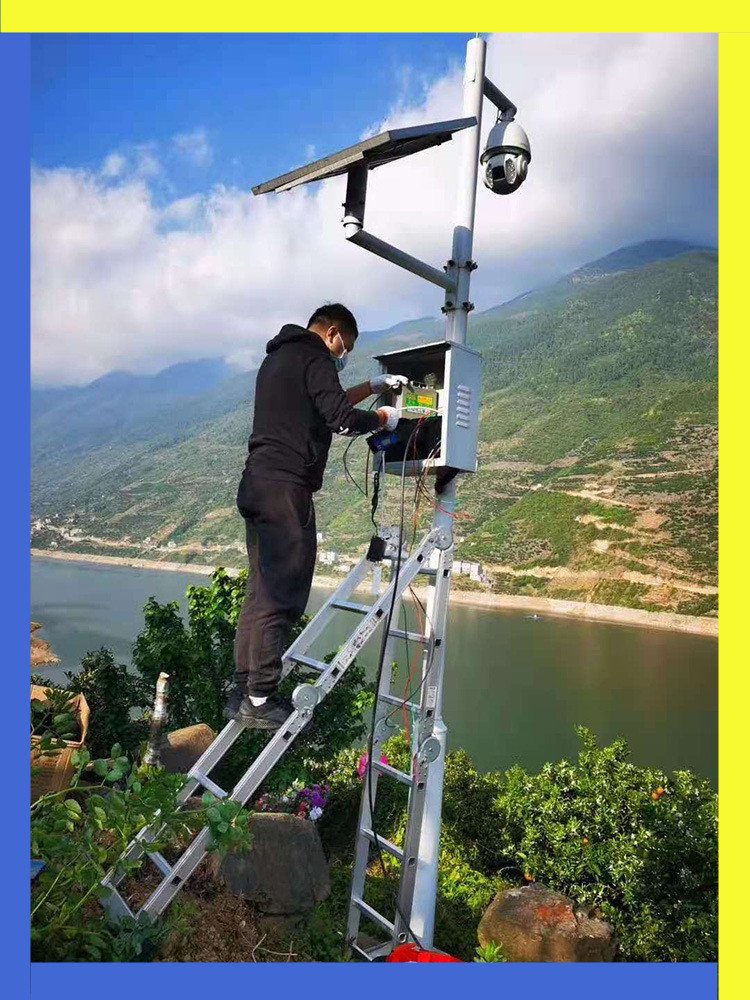
For projects like border patrol or coastline defense, the environment facing the equipment is very brutal. If you use an ordinary plastic shell or a light gimbal in this environment, it will definitely fail within 3 months.
Take the BIT-CCTV laser pan-tilt series as an example, they use a heavy-duty pan-tilt structure. This design is not for good-looking, but for built to withstand the following situations:
Strong wind environment: sturdy mechanical gears can ensure that the picture is still stable in strong gusts, and will not shake people dizzy.
Corrosive climate: IP66 or IP67 protection is standard, the only way to resist high salt spray and heavy rain at sea or in coastal areas.
Extreme temperature difference: A special thermal management system allows the equipment to operate 24/7 in the hot desert sun and polar winter.
Seamless Integration And Total Cost Of Ownership Considerations
For the project manager, the selection of equipment should not only look at the parameter table, but also calculate the economic account and the difficulty of integration.
System integration: This camera must support ONVIF protocol and SDK interface. I have always stressed that only when the protocol is opened can the equipment be seamlessly connected to the existing VMS (video management system) or command center platform, so that the new equipment will not become an information island.
Infrastructure savings: This is an easily overlooked view. In fact, a laser head covering 5 kilometers can often replace dozens of short-range cameras. This means that you need poles, cables, power distribution and other supporting resources will be greatly reduced.
Long-term O&M: with fewer points, the long-term maintenance burden will naturally be reduced. From the total cost of ownership (TCO) of the project life cycle, it is actually more cost-effective to go directly to the high-end laser solution.
Summary
When “ultra-long distance target recognition” becomes a rigid demand, laser PTZ camera is the only choice for professional security personnel. By combining ultra-long-range laser lighting and synchronous zoom technology with this “tough guy” hardware structure, manufacturers like BIT-CCTV provide more than just a camera, but the reliability and clarity to meet the world’s toughest security challenges.
Author: Marcus Chen
“As a veteran security system integrator, I have spent years on the front lines of large-scale infrastructure projects, from border surveillance to port defense. Having witnessed the limitations of traditional IR technology in the field, I now focus on deploying high-performance laser PTZ solutions that solve real-world technical bottlenecks. “



 English
 日本語
日本語 한국어
한국어 français
 Deutsch
 Español
 italiano
 русский
 português
 العربية
 tiếng việt
 ไทย
ไทย čeština
 dansk
dansk Svenska