In the context of industrial monitoring systems, the difference between Pan (horizontal rotation) and Tilt (vertical pitch) is essentially a difference in the mechanical movement capabilities of the positioning unit. Simply put, Pan is a horizontal rotation around a vertical axis (professionally called azimuth), which usually allows the camera to scan 360 degrees left and right to cover a wide range of boundaries. Tilt is a vertical movement (pitch angle) around the horizontal axis, allowing the camera to adjust the angle up and down (usually up to 90 to -90) to track air targets or ground threats.
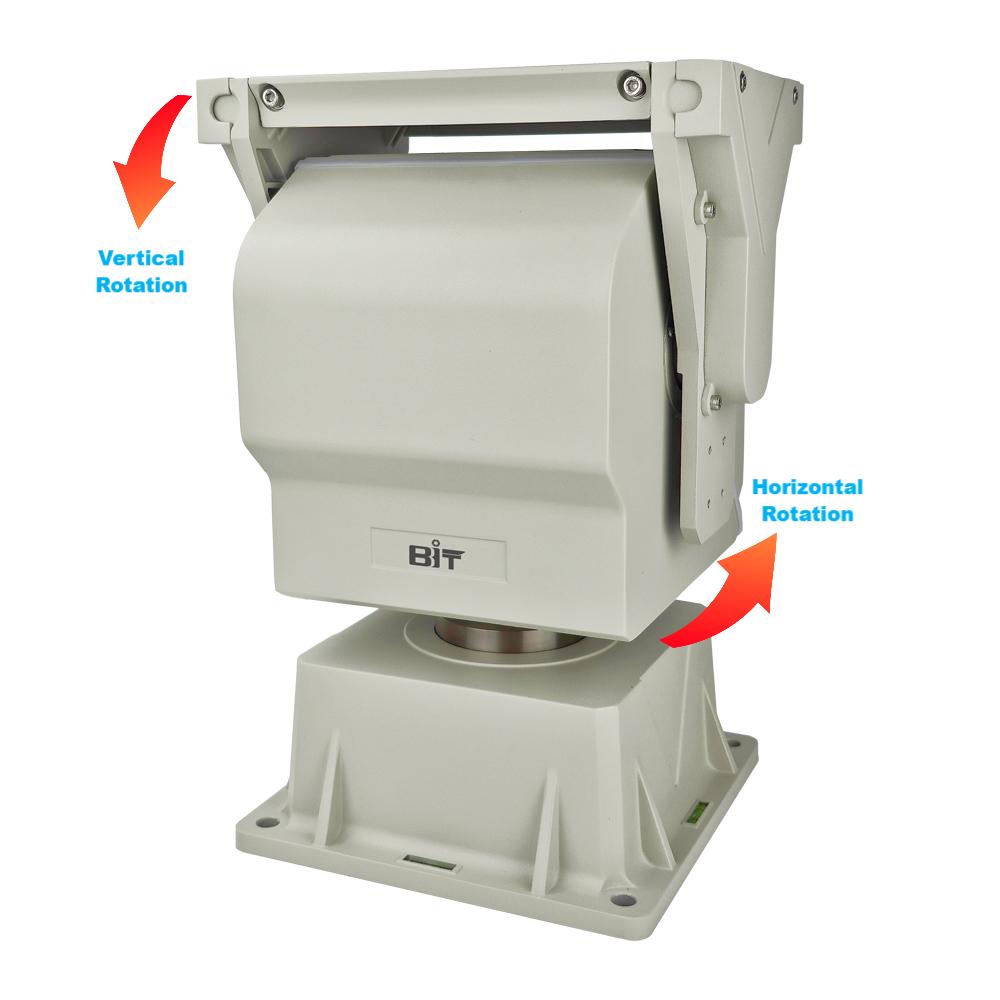
Understanding Pan: Horizontal Axis And Azimuth Overlay
When we disassemble the mechanical structure of the positioning unit, “Pan” is strictly defined as the movement along the horizontal plane. In those technical specifications, you often see the word “azimuth”. In industrial security, the core function of the horizontal rotation mechanism is to provide comprehensive perimeter coverage. The field of view of ordinary security cameras is usually fixed, but this is not enough. Industrial PTUs must use a vertical axis to rotate the entire sensor load.
360-degree continuous rotation
High-end industrial equipment usually has the capability of 360-degree continuous rotation. It’s not just circles, it means that the system can scan a wide field of view-such as a long border, coastline or large critical infrastructure-without encountering any mechanical stops or “dead spots” in.
Perimeter scanning
Through left and right horizontal scanning, the system ensures that long-distance sensors can monitor a wide area. In actual deployment scenarios, I often recommend replacing multiple fixed cameras with a single high-performance positioning unit, which can both cover the area effectively and reduce the number of devices.
Understanding Tilt: Vertical Axis And Tilt Control
“Tilt” refers to the mechanical ability to change the pitch angle of a load. This movement occurs around a horizontal axis, allowing the camera system to look up or down. In industrial scenarios, Tilt’s range of motion is crucial, even decisive, for tracking dynamic threats.
Full range of 90 ° to -90 °
Powerful PTUs usually provide a complete 180-degree vertical arc. This means that the sensor can target aerial targets like illegal drones vertically up (90 °) and can also monitor threats in dead spots or deep valleys at the bottom of the tower vertically down (-90 °).
Pitch Tracking
This pitch mechanism is central to maintaining visual lock on variable altitude targets, ensuring that security operators can track objects moving from the ground to the air and keep them in sight.
Industrial-grade PTU Vs. Consumer-grade Systems
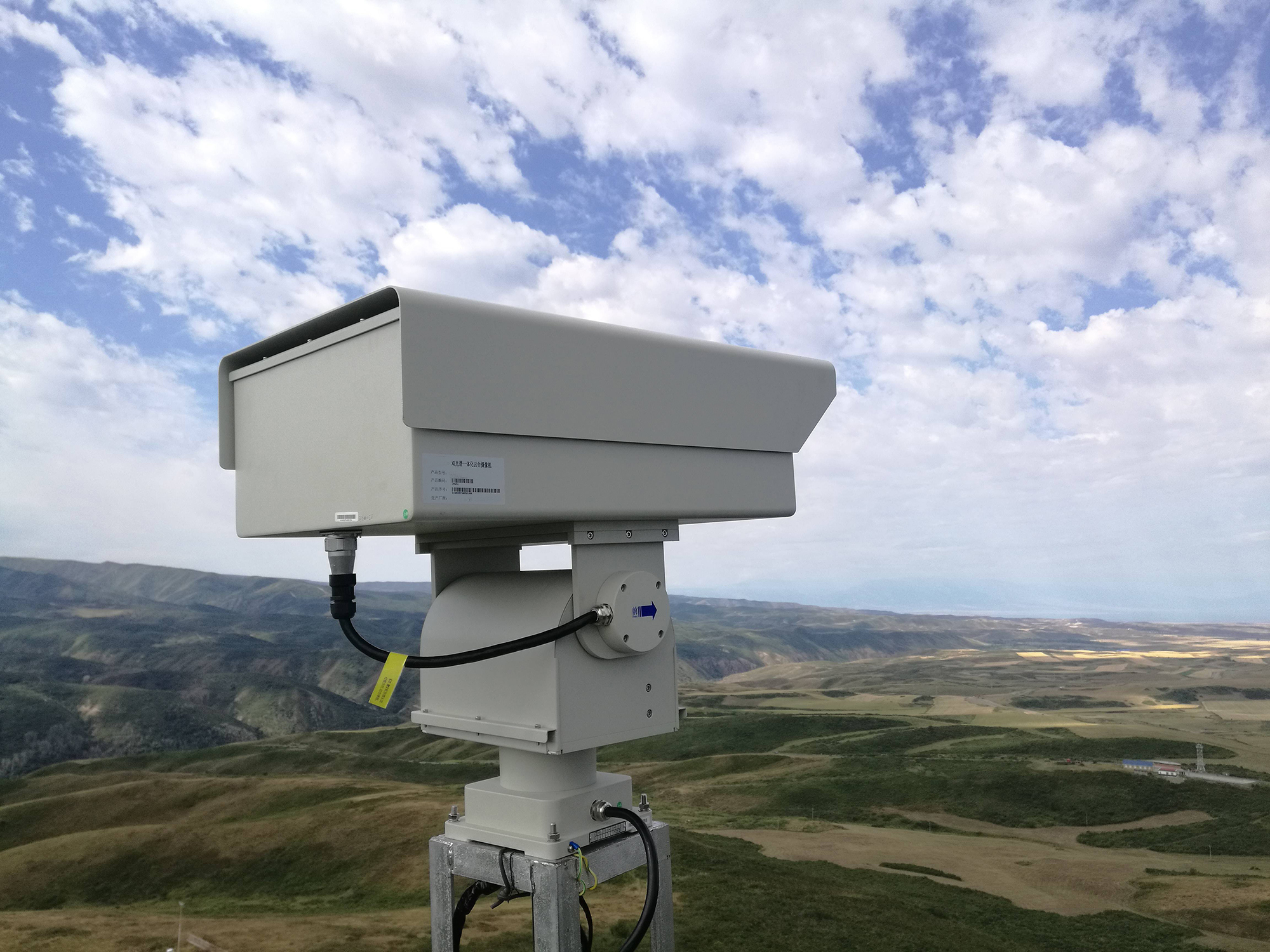
The most essential difference between industrial environments and consumer applications in Pan and Tilt is the load capacity. Home pan-tilt cameras are usually integrated units, the housing is lightweight plastic, and the sensor is also small. In contrast, the industrial-grade gimbal (PTU) is more like a modular platform for carrying large weights.
Heavy-duty loads
Our designed industrial PTUs are equipped with high-torque motors and sturdy gears, specifically designed to operate heavy equipment. This is necessary for multi-spectral monitoring solutions, because we want to integrate the visible light camera and the heavy thermal imager.
Long-distance equipment
In order to achieve long-distance monitoring, the system often needs to be equipped with a large telephoto laser lens or illuminator. This requires Pan and Tilt’s motors to be strong enough to move these heavy optical instruments smoothly and accurately, even in high winds or bad weather.
Achieve Absolute Situational Awareness
We combine Pan (azimuth) and Tilt (pitch) in a heavy-duty industrial unit with one ultimate goal: the complete elimination of blind spots. By synchronizing horizontal scanning and vertical positioning, the security system obtains a spherical field of view. This mechanical synergy ensures absolute situational awareness. Whether the threat is coming from the end of the horizon, crawling on the ground, or flying overhead, the precise cooperation of Pan and Tilt’s mechanical structure allows heavy sensors to detect, track and identify any position in the monitored environment.
Author:Robert Vance
As a Senior Optical Systems Engineer with a decade of experience in industrial surveillance, I specialize in the mechanics of heavy-duty Pan-Tilt Units. I am dedicated to explaining how precise Azimuth and Elevation controls contribute to absolute situational awareness for critical infrastructure projects.



 English
 日本語
日本語 한국어
한국어 français
 Deutsch
 Español
 italiano
 русский
 português
 العربية
 tiếng việt
 ไทย
ไทย čeština
 dansk
dansk Svenska