In the field of security integration, pan tilt is not only a rotating device, it is a set of tightly fitting mechatronics systems, to maintain 24 hours of uninterrupted operation in extreme environments. Especially when it comes to remote monitoring, thermal imaging linkage or radar tracking, if any one component fails, the whole system will be useless.
A truly reliable industrial-grade pan-tilt must consist of a high-torque stepping motor, an absolute position feedback sensor, a slip ring assembly and an IP66/67 grade protective enclosure, otherwise the equipment will soon fail in the face of severe vibration, corrosion and bad weather.
What Exactly Is The Composition Of Industrial Pan Tilt?
When doing large-scale projects, don’t just look at whether the shell is beautiful or not. I disassembled a set of qualified industrial pan tilt into a 5 core technology level. As long as one layer is missing, you will wait for the high future maintenance costs.
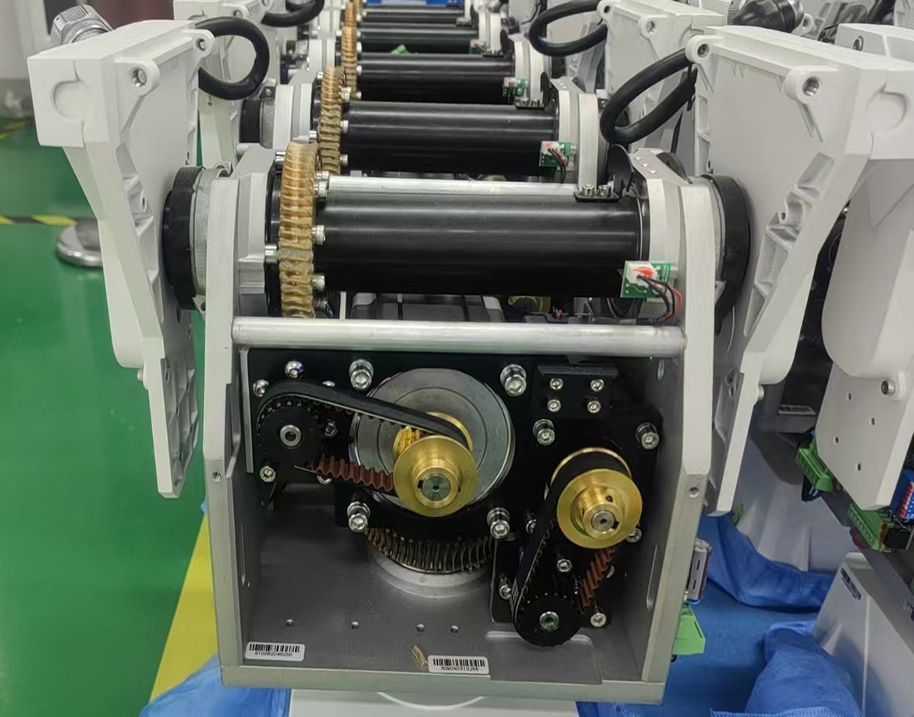
1. Precision Drive And Transmission
The camera is turning steadily, depend on the gearbox. Industrial-grade equipment comes standard with high-torque stepper motors or brushless DC motors, but the key is the “Backlash-free” design. To put it bluntly, when you release the joystick, the camera must lock up immediately, and there can be no annoying “drift” or jitter. Under high magnification zoom, once there is shaking, the the image is barely usable.
2. Core Control And Feedback
This is the key to distinguish between professional equipment and civilian monitoring.
Absolute position feedback: Don’t buy low-end goods that rely on time to calculate angles. The pan tilt with absolute position sensor can lock the coordinates in real time,which is a critical requirement for automatic tracking and radar linkage.
Protocol compatibility: must support industry standard RS485 communication and Pelco-D/P protocol, otherwise how do you seamlessly connect it to the existing VMS (video management system)?
3. Power And Signal Management
In order to achieve 360-degree infinite rotation, high-quality slip rings must be integrated inside. It allows power and data signals to be transmitted between the fixed base and the rotating head without worrying about cable twisting and fatigue breaking. If your project needs to run Gigabit Ethernet or even optical fiber, be sure to confirm whether the bandwidth level of the slip ring meets the standard, so as to avoid bandwidth limitations in the later period.
4. Environmental Protection
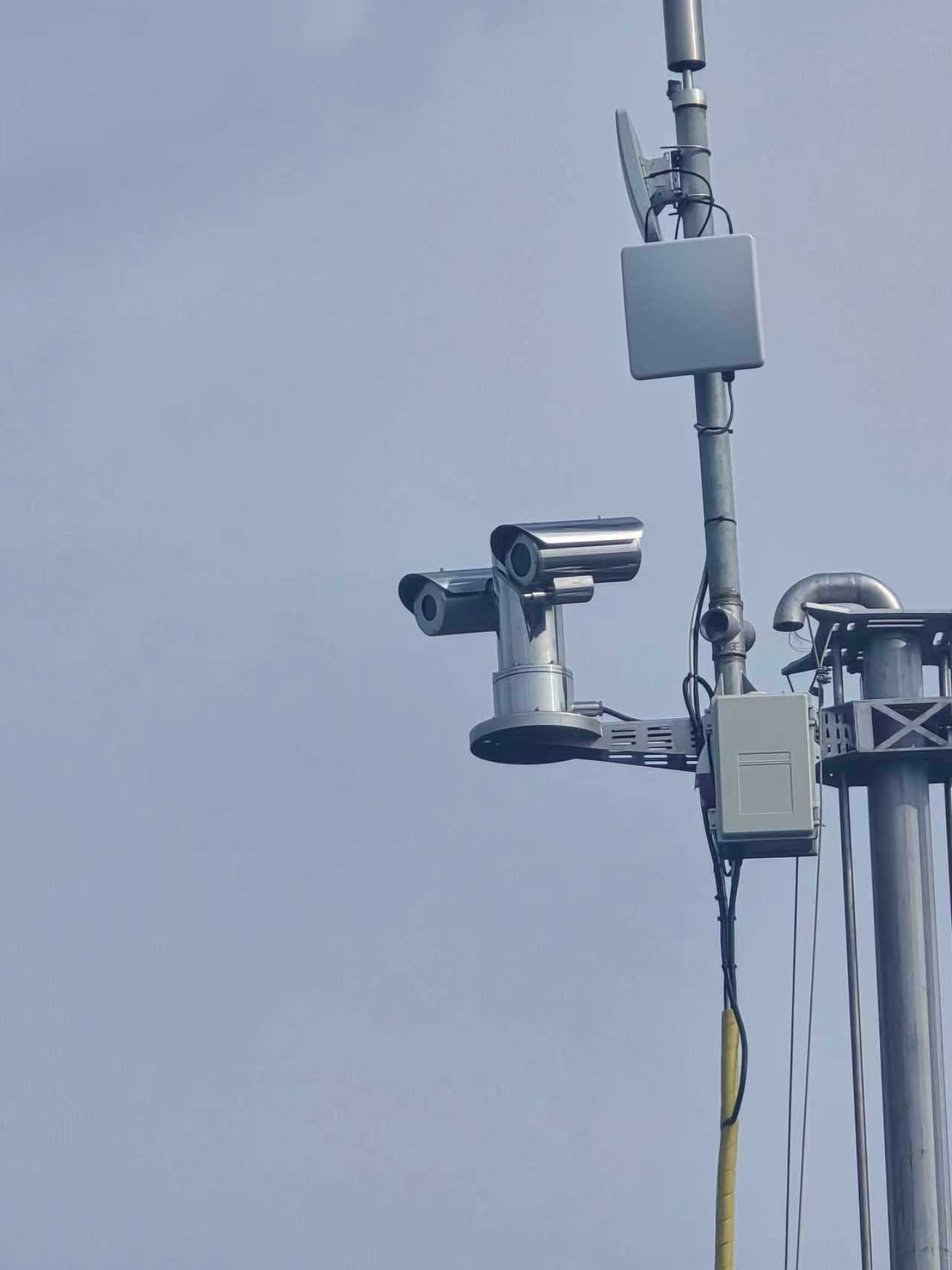
Don’t expect a constant temperature on the industrial site. Whether it is salt spray corrosion at the dock or extreme temperature differences at remote sites, the material of the shell is crucial. I recommend 316L stainless steel. In addition, IP66/IP67 is a hard indicator, which means that it can not only prevent dust, but also resist high-pressure water gun injection, and the internal electronic components are guaranteed.
5. Load And Balance
Each pan-tilt has a rated load; when you mount a telephoto thermal imaging lens or a laser light supplement lamp, the balance is not good, the motor will be in an overload state, and the life span will definitely be greatly reduced. Be sure to double check the manufacturer’s data sheet to ensure that the torque margin is sufficient to support your load.
Summary Checklist For System Integration
When reviewing the qualifications of suppliers, I usually ask them to provide the following evidence:
Torque specification: in strong wind environment, this equipment can carry dynamic load?
Integration Document: Does it provide detailed API or instruction set for secondary development docking?
Durability test: Is there an official report of salt spray test, seismic test or vibration test?
In the final analysis, when doing security integration, every gimbal you choose is actually “laying the foundation” for the stability of the entire security system “. Don’t just buy hardware, buy a set of engineering guarantees that can save you worry.
Author: Mark Stevens
With over 11 years of experience in high-end industrial surveillance, I have led complex infrastructure projects for maritime, border security, and heavy industrial facilities. I specialize in the precision deployment of ruggedized positioning systems.



 English
 日本語
日本語 한국어
한국어 français
 Deutsch
 Español
 italiano
 русский
 português
 العربية
 tiếng việt
 ไทย
ไทย čeština
 dansk
dansk Svenska